Ashbury with Compton Beauchamp CE Primary School
Wayland Class with Little Berries Preschool (Reception, Year 1, Year 2)
Welcome to Wayland Class!
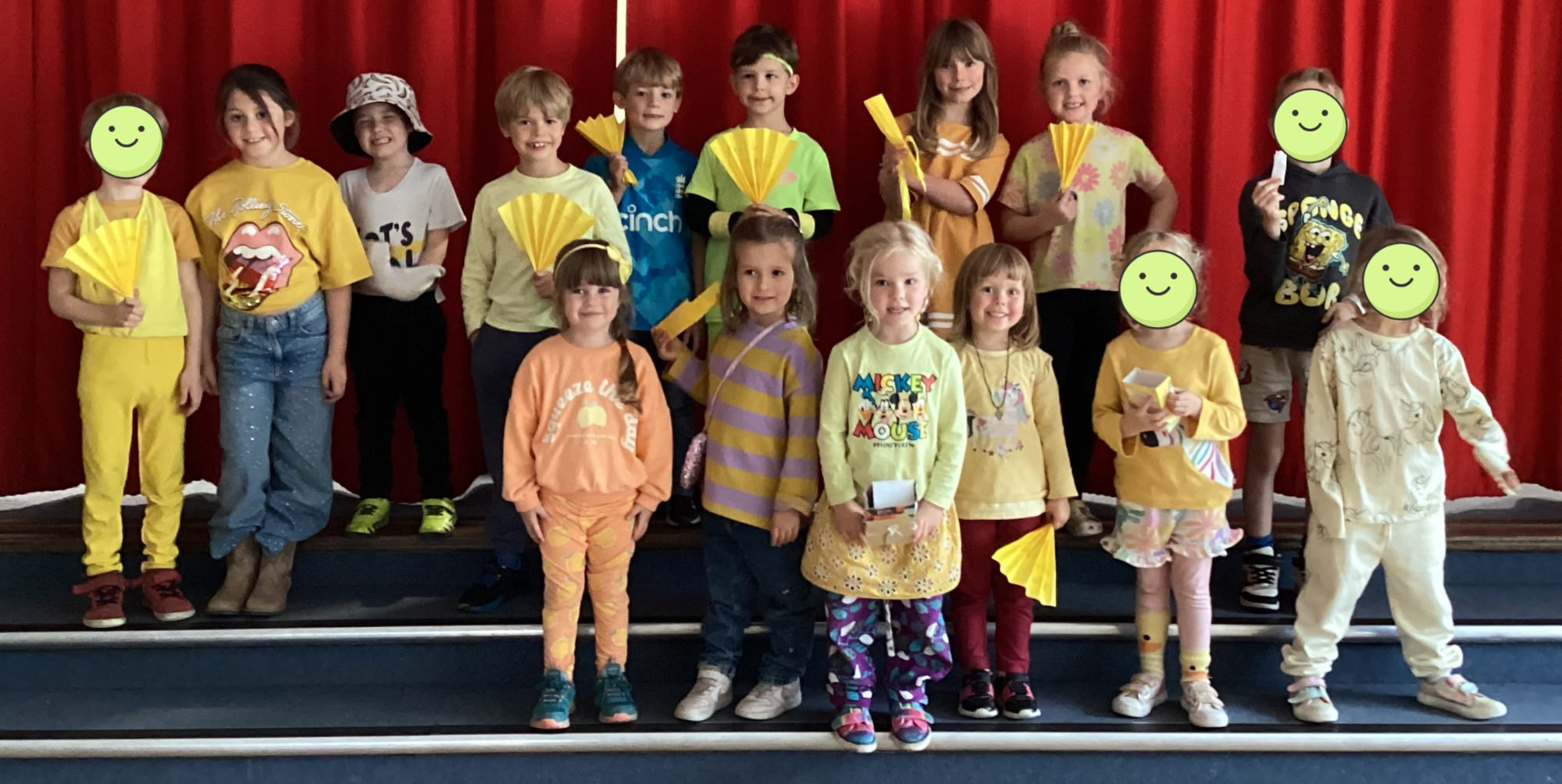
Welcome to Wayland Class - a unique and nurturing mixed-age learning community for children aged 3-7. Our class brings together Preschool, Reception, Year 1 and 2 in a warm and purposeful environment where children learn from one another, develop confidence and flourish. Wayland has access to two classroom spaces and an outside learning space. This ensures that children have access to continuous provision as well as a calm and spacious learning environment.
Our Class Ethos
- Playful, purposeful learning for all children
- Communication and language at the heart of our curriculum
- A strong sense of belonging for every child
- Rich real-life experiences in our village and wider community
- A continuous outdoor environment, accessible throughout the day
- High-quality interactions between children and adults
- Older pupils supporting younger ones as role models.
Pupils enjoy learning and behave well. In lessons, pupils listen carefully to their teachers.
OFSTED December 2019
Meet the Teacher
Mrs Richards - Trust Early Years Lead, Deputy DSL, Staff Governor
Hello! I’m Mrs Richards and I’ve been lucky enough to teach at Ashbury Primary School since 2019. I absolutely love being part of our small, friendly school community.
I’m also the EYFS Lead for our Trust, and I lead on phonics and reading across the school—two things I’m really passionate about. I’m a total bookworm and love sharing my enthusiasm for stories with the children!
Creating a warm, nurturing environment where our youngest children can learn through play is at the heart of everything I do. There’s nothing better than seeing them grow in confidence and curiosity each day.
Outside of school, I recently got married, and at home I’m kept busy by my cheeky spaniel, Ralph, who makes sure I’m always out and about!
Mrs Richards is supported by Mrs Dunford and Mrs Maude.

Ashbury is one in a million - a small school with a big heart and even bigger ambitions. Ashbury is a fantastic learning environment that encourages all children to aim high and be their best, while also fostering core values of kindness and community. In addition to the core curriculum children take part in numerous other activities including forest school, cross-country running, music and drama. The staff are, without exception, committed and motivated, and my son has thrived in Wayland Class under their excellent guidance.
Wayland Parent
Daily Routine
- 08:30 - Door Opens
- 08:35 - Door Closes
- 08:35 - Registration & Morning Activities
- 09:00 - Worship/Phonics/Spelling
- 09:30 - Lesson 1
- 10:15 - Break
- 10:30 - Lesson 2
- 11:15 - Book Talk
- 11:30 - Reading Practice Session
- 12:00 - Lunch
- 13:00 - Mastering Number
- 13:15 - Lesson 3
- 14:00 - Lesson 4
- 15:00 - Home time
Acts of Worship
- Monday - Worship
- Tuesday - Singing Worship
- Wednesday - Key Stage Worship
- Thursday - Collective Worship
- Friday - Celebration Worship - all invited!
Early Years in Wayland Class (Preschool & Reception)
Our Early Years provision is rooted in child-led play supported by skilled adults who extend thinking, language and curiosity. Children follow their interests through a balance of child-initiated exploration and adult-guided learning.
We use the Wellcomm toolkit to monitor children's language development and plan early, targeted support when needed.
Children have access to our outdoor area, with opportunities for large-scale construction, imaginative play, nature study and physical development. We firmly believe there's no such thing as bad weather - just the wrong clothing!
Drawing Club (EYFS)
Early Years children take part in Drawing Club four times per week - an imaginative literacy approach taken from the Early Years guru Greg Bottrill, where they explore stories through drawing, mark-making and "codes" (marks, letters and numbers that influence the story). looks are carefully chosen over a two-year cycle, with flexibility based on the cohort's interests and needs. See below for our Drawing Club long term plans!
Key Stage 1 in Wayland Class (Years 1 & 2)
Although Wayland Class spans multiple ages, Year 1 and 2 children follow a structured and progressive KS1 curriculum, planned carefully to ensure high expectations, challenge and progression. Prior learning from the EYFS is carefully considered, as well as future learning to prepare children for Key Stage 2. By combining these year groups, children find the transition from EYFS to KS1 smoother, supported by adults who know their needs well.
English in KS1
Year 1 - Super Sentence Model
In Year 1, we use an adapted "Super Sentence" model to build strong foundations in early writing. Children learn to:
- internalise a model sentence
- rehearse it aloud
- explore vocabulary
- practise key tricky words
- understand capital letters and full stops
- edit simple sentences
- write the sentence accurately with developing handwriting
This is delivered through a clear weekly structure:
Day 1 - Imagine & Internalise
Day 2 - Which Words?
Day 3 - Successful SPAGhetti
Day 4 - Editing Eyes
Day 5 - Write it Right!
This ensures children build confidence and accuracy before moving to more extended writing later in the year. When secure, Year 1 children begin accessing aspects of the Hampshire Writing Model ready for Year 2 expectations.
Year 2 - Hampshire Writing Model
Year 2 children follow the Hampshire Writing Model, engaging in rich reading and writing experiences. This includes:
- text-driven units (e.g. Paddington)
- reading as a reader and reading as a writer
- exploring vocabulary through "super 6" words
- sentence-level skills and grammar
- drafting, editing and improving writing
- creating outcomes such as posters, stories or reports
Reading & Phonics
- EYFS and KS1 follow the systematic synthetic phonics programme, Little Wandle.
- Once they are secure in Phase 5, Year 2 children build reading fluency and comprehension through guided reading sessions.
- Reading books are matched closely to children's phonics stage or fluency level.
- We ask all children to read at home regularly to build confidence and fluency.
Long Term Planning
Please scroll to the bottom of this page and click on the links for an overview of what will be taught in Wayland Class over a 2 year rolling programme.
Timetable
Coming soon...
Topics
Home Tasks
Reception
-
Children will read to someone at home at least 5 times in the week and this will be signed in the reading record.
-
Children are expected to read their phonics book 3 times before it will be changed.
1. Decoding the words in the book
2. Fluency reading the book
3. Answering Comprehension questions as the child is reading the book to ensure they have a good understanding of what they have read. -
To practice the phonics sounds of the week, along with any tricky words that the teacher has identified for the children.
-
To share a book with an adult reading to the child.
Year 1
-
Children will read to someone at home at least 5 times in the week and this will be signed in the reading record.
-
Children are expected to read their phonics book 3 times before it will be changed.
1. Decoding the words in the book
2. Fluency reading the book
3. Answering Comprehension questions as the child is reading the book to ensure they have a good understanding of what they have read. -
To practice the phonics sounds of the week, along with any tricky words that the teacher has identified for the children.
-
To share a book with an adult reading to the child.
Year 2
-
Children will read to someone at home at least 5 times in the week and this will be signed in the reading record.
-
Children will complete the Comprehension Question found on the Google Classroom stream – children will comment below this question each week. Questions will be posted on a Tuesday and discussed in class the following Monday.
-
Parents can support their children further by using the Reading comprehension questions that have been shared by their class teachers at the beginning of each academic year.
-
Children will read their knowledge organisers and throughout each term, they will know more and remember more using the information found in this organiser. Each term, teachers will share the knowledge organisers on Google Classroom.
Our Learning
This term in history, Wayland learnt about our local area and key landmarks such as Wayland Smithy. We also learnt some history about our school. Take a look at our wonderful presentation:
Curriculum
Reading
-
To continue to foster a love of books and realise why it is so important to be able to read independently.
-
Phonics should be the prime approach to reading.
-
To continue to participate in book talk.
-
To identify different genres e.g. stories, poetry, non-fiction/information.
-
Children are encouraged to read individually to an adult daily.
-
In school we hear each child read 3 times a week. They may change their book every day.
-
Recognise High Frequency words by sight.
Handwriting
Good handwriting remains fundamental to children's educational achievement even though most of their future correspondence in adult life will be typed!
Correct letter formation and orientation is demonstrated in an active way. We use a variety of media for handwriting to consolidate letter formation such as sand, paintbrushes, gel boards and chalk.
Children in Year 2 will be taught how to join their handwriting.
Maths
-
Children will learn in groups, as a whole class and independently using White Rose Maths/selecting maths resources during play.
-
Maths remains practical and active.
-
Children learn to record their work independently.
-
Focus on reasoning, applying knowledge and solving challenges.
Writing
By the time children join Wayland class they have formed an understanding of a sentence and most become able to compose simple sentences that convey meaning.
In our class this is built upon and children learn to write in a variety of genres.
Children use their phonic knowledge and sight words independently.
Spellings
Termly Spellings - These spellings your child needs to know by the end of the year, but will be tested regularly throughout the year.
Year 2 Spellings
Focus 5 Spellings - Following the Jane Considine Spelling Scheme children will become spelling detectives looking for patterns in spellings. Each child will have 5 focus spellings that they will focus on. Staff in school will be looking out for accurate use of these spellings before updating to new words to challenge your child.
Click here for further information
How can you help?
Ask your child what they have been learning today at school - if they just say 'playing', ask them if they have used the computer, talked to a partner, counted etc.
- Please listen to them read every day - little and often - it should be fun, not a chore.
- Help them with their spellings/phonics.
- Praise independence, good manners, turn-taking and listening skills.
- Encourage learning maths using real-life contexts at home.
- Let us know if you have time to help in school!
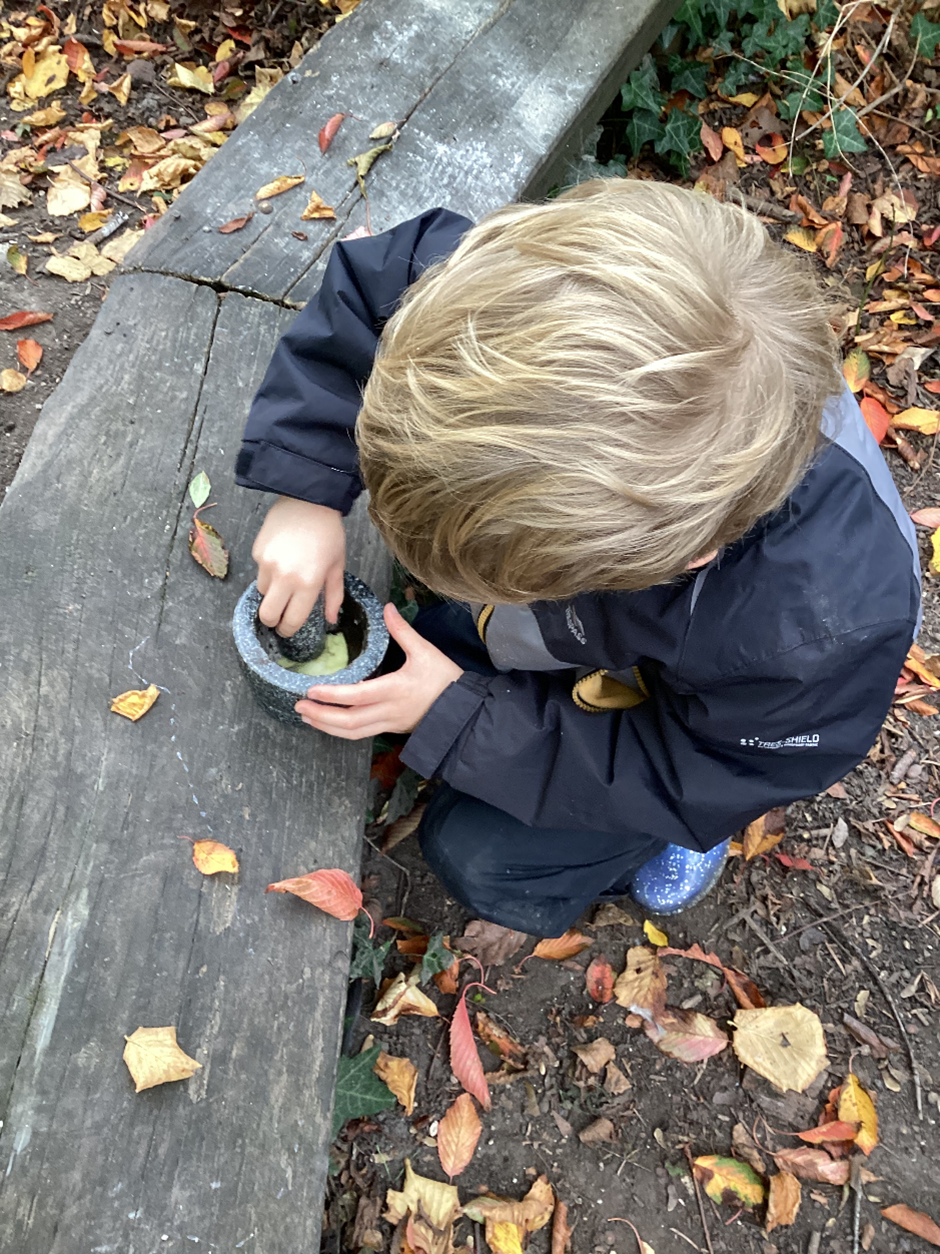
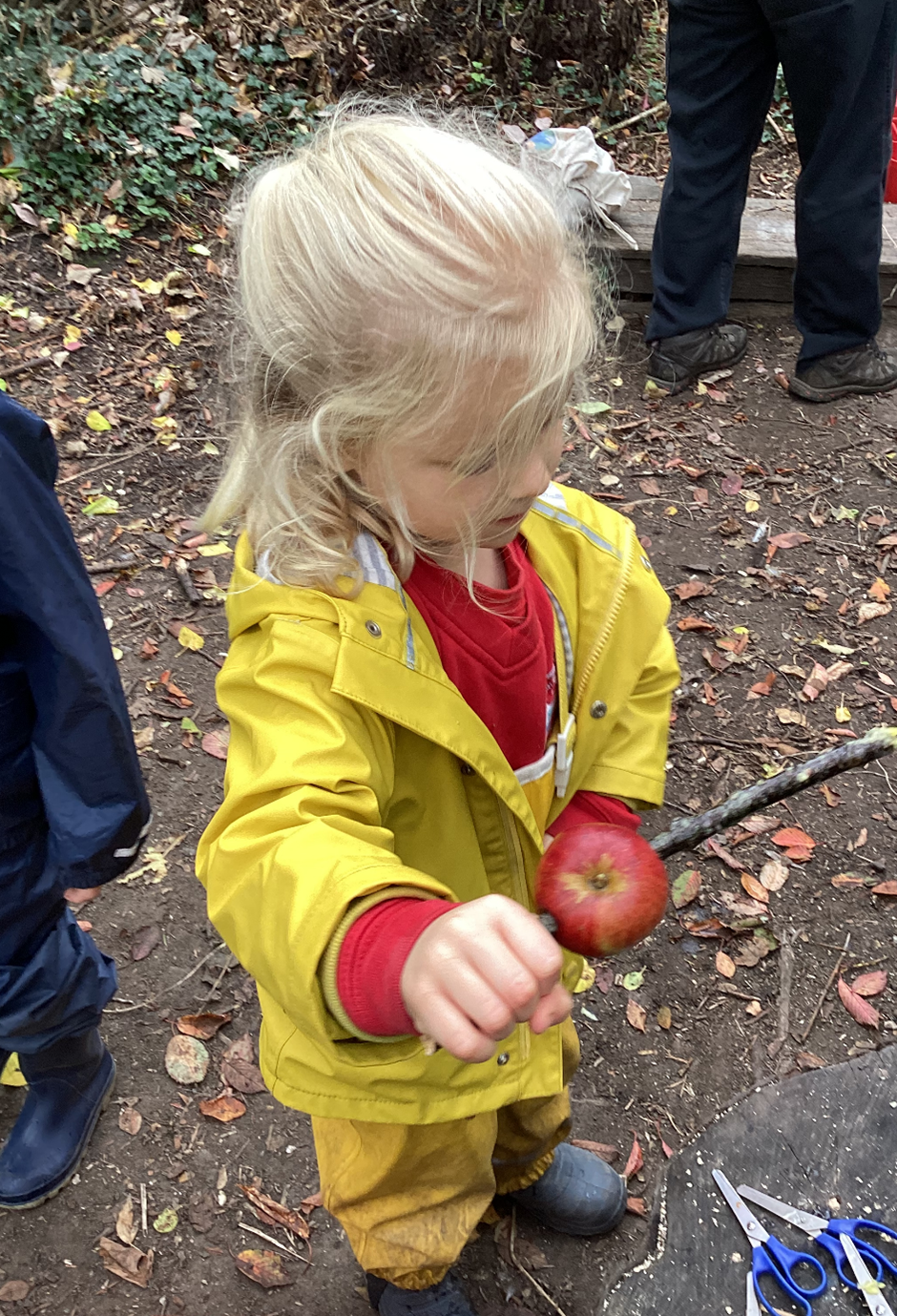
Forest School
Forest School takes place every Friday. Wayland pupils should bring appropriate clothes to change into for this session, along with waterproofs and wellies.
Keep Up To Date
We use Bromcom to communicate with parents and carers. We also use Bromcom for paid trips, meals and clubs.
We publish newsletters each term.
Contact Details Ashbury Primary School, Ashbury, Oxfordshire, SN6 8LN
Ashbury Primary School, Ashbury, Oxfordshire, SN6 8LN